
The packaging design industry has been rapidly evolving to adapt to consumer preferences, technological advancements, and sustainability concerns. As businesses continue to recognize the critical role packaging plays in branding, customer experience, and environmental impact, several key trends have emerged. Below are the latest developments and innovations reshaping the packaging design landscape.
1. Sustainable Packaging Takes Center Stage
Sustainability remains a top priority in packaging design, with increasing consumer demand for eco-friendly solutions. Brands are under pressure to reduce waste, eliminate plastic, and adopt recyclable, biodegradable, or compostable materials. The use of recycled materials in packaging, such as post-consumer recycled plastics, has gained traction, and innovations in paper-based alternatives are emerging.
For example, Coca-Cola recently launched a paper bottle prototype as part of its commitment to reducing plastic waste. Major beauty and fashion brands are also embracing refillable and reusable packaging, further signaling the shift toward sustainability.
Key Trend: Sustainable packaging design not only enhances brand reputation but also reduces environmental footprints, aligning with global goals for reducing carbon emissions and waste.
2. Minimalist and Clean Designs Lead the Way
Minimalist packaging designs are becoming increasingly popular as brands prioritize simplicity, transparency, and authenticity. Clean, uncluttered designs with a focus on typography and subtle colors allow products to stand out while conveying a sense of luxury and sophistication.
This trend is especially evident in the beauty, food, and wellness industries, where packaging serves as an extension of the brand’s values. For instance, skincare brands are opting for minimal designs that reflect purity and a focus on natural ingredients, appealing to conscious consumers who seek clarity about product content.
Key Trend: Less is more—minimalist designs evoke trust and elegance, making them a go-to approach for premium product positioning.
3. Personalization and Customization on the Rise
Consumers increasingly value personalized experiences, and packaging design is no exception. Brands are leveraging advanced printing technologies to create customized packaging that speaks directly to individual consumers. This can include personalized messages, custom designs, and even interactive elements through QR codes.
The rise of e-commerce has also fueled demand for personalized packaging that enhances the unboxing experience. Subscription box services and limited-edition products often utilize personalized packaging to build stronger emotional connections with customers.
Key Trend: Personalized packaging provides a unique way to engage consumers, foster loyalty, and create memorable brand experiences.
4. Smart Packaging for Enhanced Connectivity
Smart packaging is an innovative approach that incorporates digital technology to improve the functionality and interactivity of packaging. RFID tags, QR codes, and NFC (Near Field Communication) chips enable consumers to engage with packaging via smartphones, offering additional product information, authenticity verification, or promotional content.
For example, beverage brands have introduced packaging that allows consumers to scan a QR code to learn more about the product’s origin, sustainability practices, or even access exclusive digital experiences.
Key Trend: Smart packaging adds value by blending the physical and digital realms, creating interactive and informed experiences for tech-savvy consumers.
5. Bold and Bright Color Palettes
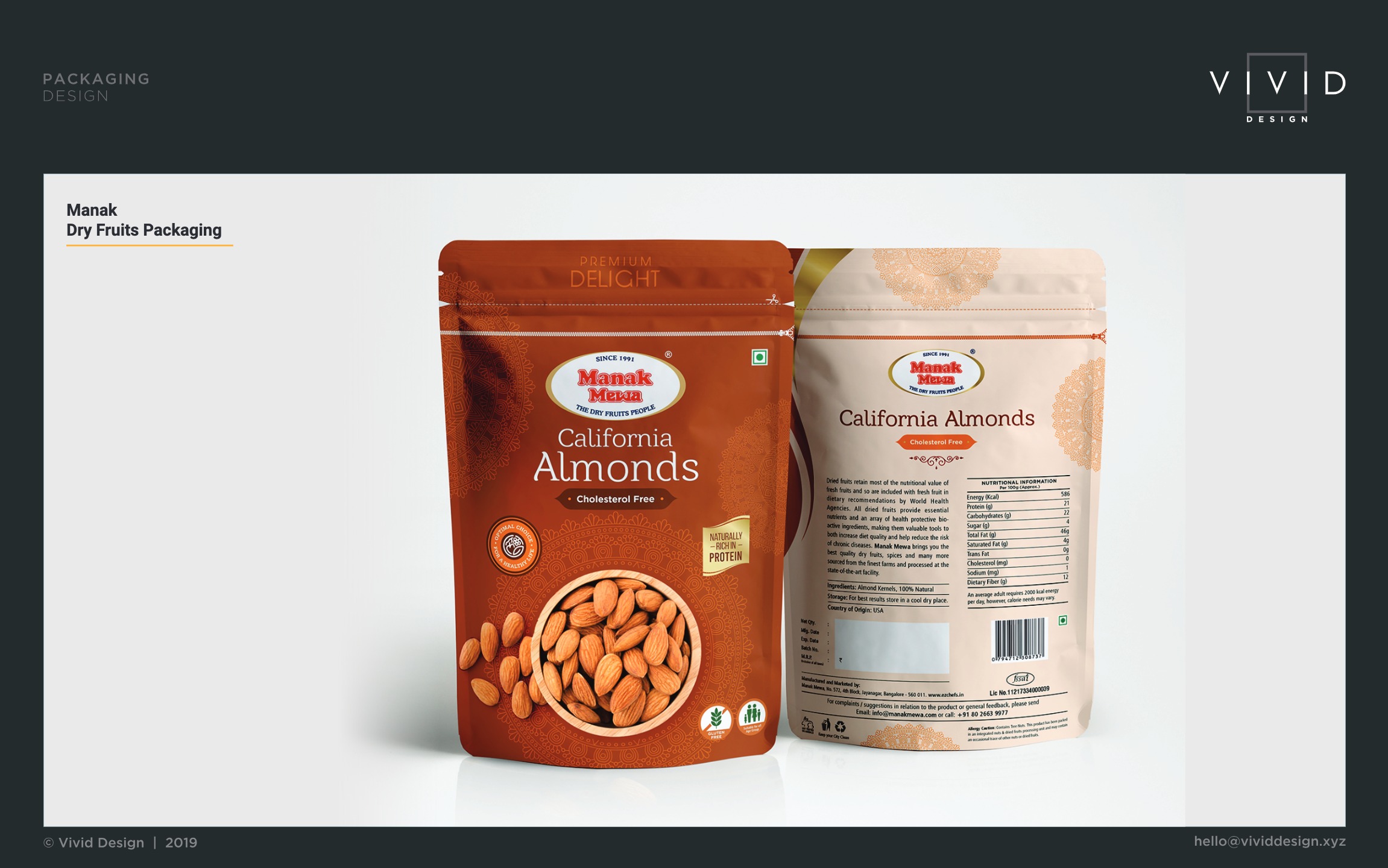
While minimalism remains popular, there’s also a resurgence of bold and bright color palettes that capture attention and communicate a sense of energy. This trend is particularly evident in packaging aimed at younger audiences, such as the Gen Z demographic, who prefer vibrant, playful designs that stand out in competitive retail environments.
Brands are increasingly using striking colors and dynamic patterns to create packaging that sparks joy and draws consumers in. Bright packaging designs are particularly effective for food, beverage, and lifestyle products, where bold visual identities can foster a fun, energetic image.
Key Trend: Vibrant color schemes help brands make a memorable first impression, especially in crowded markets.
6. Transparent Packaging for Product Visibility
Transparent packaging, which allows consumers to see the product inside, is becoming a popular choice for brands aiming to build trust and transparency. Especially in the food and beauty industries, where consumers are concerned about the quality and origin of ingredients, clear packaging serves as a reassurance of product integrity.
This trend also aligns with the minimalist design ethos, as it strips away unnecessary design elements and focuses on the product itself, ensuring that the quality of the product is the primary selling point.
Key Trend: Clear, transparent packaging fosters trust and communicates authenticity, especially when paired with clean, honest branding.
7. Packaging for E-Commerce Optimization
With the rise of e-commerce, packaging design is evolving to meet the unique demands of online retail. Packaging for e-commerce needs to balance protection with branding, ensuring that products arrive safely while maintaining an engaging unboxing experience.
Innovations in this area include packaging that reduces the need for excess material, such as right-sized or flexible packaging, which reduces shipping costs and environmental impact. Moreover, packaging designed for e-commerce must withstand the rigors of shipping while still looking attractive to consumers.
Key Trend: E-commerce packaging must balance practicality and aesthetics, ensuring safe delivery while enhancing the customer experience.
Conclusion: The Future of Packaging Design
As the packaging design industry continues to evolve, brands must stay ahead by adopting sustainable practices, leveraging new technologies, and tapping into consumer preferences for minimalism, personalization, and interactivity. Packaging is no longer just a protective shell—it’s a critical touchpoint for brand communication, customer engagement, and sustainability efforts.